This article contains affiliate links. If you book through them we may earn a small commission at no extra cost to you — it helps keep Authentic Japan free.
Seven days is the sweet spot for a first trip to Japan. Long enough to feel the texture of two or three cities properly, short enough that you don't spend your whole trip in transit. The challenge is resisting the urge to add more cities — Japan has 47 prefectures and an endless list of "must-sees", and a poorly planned week turns into a transit exercise where you photograph railway platforms more than anything else.
This itinerary solves that. It covers Tokyo (3 nights), a Hakone day trip, Kyoto (2 nights), a Nara afternoon, and Osaka before departure. Five distinct experiences on a single shinkansen spine — JR Pass-eligible, logistically sound, and realistic about what actually fits in seven days.
The 7-Day Structure at a Glance
| Day | Location | Highlights |
|---|---|---|
| Day 1 | Tokyo (arrive) | Airport transfer, Suica pickup, Shinjuku evening |
| Day 2 | Tokyo | Asakusa / Senso-ji, Ueno, Harajuku |
| Day 3 | Hakone day trip | Ropeway, Owakudani, Lake Ashi, Mt Fuji views |
| Day 4 | Tokyo to Kyoto | Shinkansen, Gion evening walk, Nishiki Market |
| Day 5 | Kyoto | Fushimi Inari, Arashiyama, bamboo grove |
| Day 6 | Nara (day trip) | Todai-ji, deer park, optional Osaka evening |
| Day 7 | Osaka + depart | Dotonbori, Shinsaibashi, KIX departure |
The JR Pass Question — Answered for a 7-Day Trip
The 7-day Ordinary JR Pass costs ¥50,000 (as of 2026-07). That figure scares people who only plan one or two shinkansen legs. Here is the maths for this specific itinerary: the Hikari shinkansen from Tokyo to Kyoto is ¥14,170 one way (¥28,340 return). Add the Kyoto–Nara JR leg (¥720), a Nara–Osaka leg (¥680 on Kintetsu, not JR-covered — or ¥990 via JR), and the JR Haruka from Tennoji to Kansai Airport (¥3,170). You are already past ¥33,000 before counting a single Tokyo metro or suburban JR ride. The pass pays for itself, and the freedom to board any JR train without a ticket queue is worth something too.
One important detail: the Nozomi shinkansen — the fastest service, Tokyo to Kyoto in 2h 15m — is not covered by the JR Pass. The Hikari (2h 45m) is. The 30-minute difference rarely matters on a week-long trip. Take the Hikari, keep the ¥50,000 working.
Day 1 — Arrive in Tokyo, Pick Up Your Suica, Orient
Land at Narita (NRT) or Haneda (HND). First task before leaving the airport: get a Suica IC card at the airport station. One card handles every train, subway, and bus in Tokyo, Kyoto, and Osaka — plus convenience stores, vending machines, and many restaurants. Top it up with ¥2,000–¥3,000 to start. The Narita Express (N'EX) reaches Shinjuku in 85 minutes (¥3,270); Haneda's Keikyu line reaches central Tokyo in 25–35 minutes (¥330–¥620). Both routes are signposted in English. You can also pre-load a Suica through Klook and collect it at Haneda or ship it to your hotel.
Base yourself in Shinjuku or Shibuya for the Tokyo days — major transport hubs, 15 minutes from Tokyo Station (shinkansen departure point), and well-connected to every corner of the city. Evening: east Shinjuku's Omoide Yokocho ("Memory Lane") is a narrow alley of yakitori and ramen stalls under the elevated tracks, open from 5pm. Budget ¥1,500–¥2,500 per person for drinks and skewers. Keep the evening short — jet lag usually hits at 3pm on Day 2, not Day 1.
Day 2 — Tokyo: Asakusa, Ueno, and Harajuku
Start early. Senso-ji in Asakusa is Tokyo's oldest temple (free, open 24 hours), and the difference between arriving at 7am and 10am is roughly 400 people in every frame. The Kaminarimon gate and the Nakamise-dori shopping street are the headline shots; the quiet backstreets behind the main hall are where the atmosphere actually lives. From Asakusa, walk 10 minutes north to Kappabashi-dori — a street of restaurant equipment, ceramics, and the food-replica figures that fill display windows across Japan. A genuinely useful street for anyone with a kitchen.
Afternoon: Ueno Park and the Tokyo National Museum (¥1,000, open until 5pm). Japan's largest collection of Japanese art and archaeology — samurai armour, ukiyo-e woodblock prints, Buddhist sculpture — across four buildings. If museums are not your mode, the 53-hectare park is worth an hour regardless. Evening: Harajuku — Takeshita Street for youth street fashion, then 10 minutes by foot to Omotesando for high-end architecture and retail. Return to Shinjuku for dinner in the covered shopping arcades east of the station.
Day 3 — Hakone Day Trip
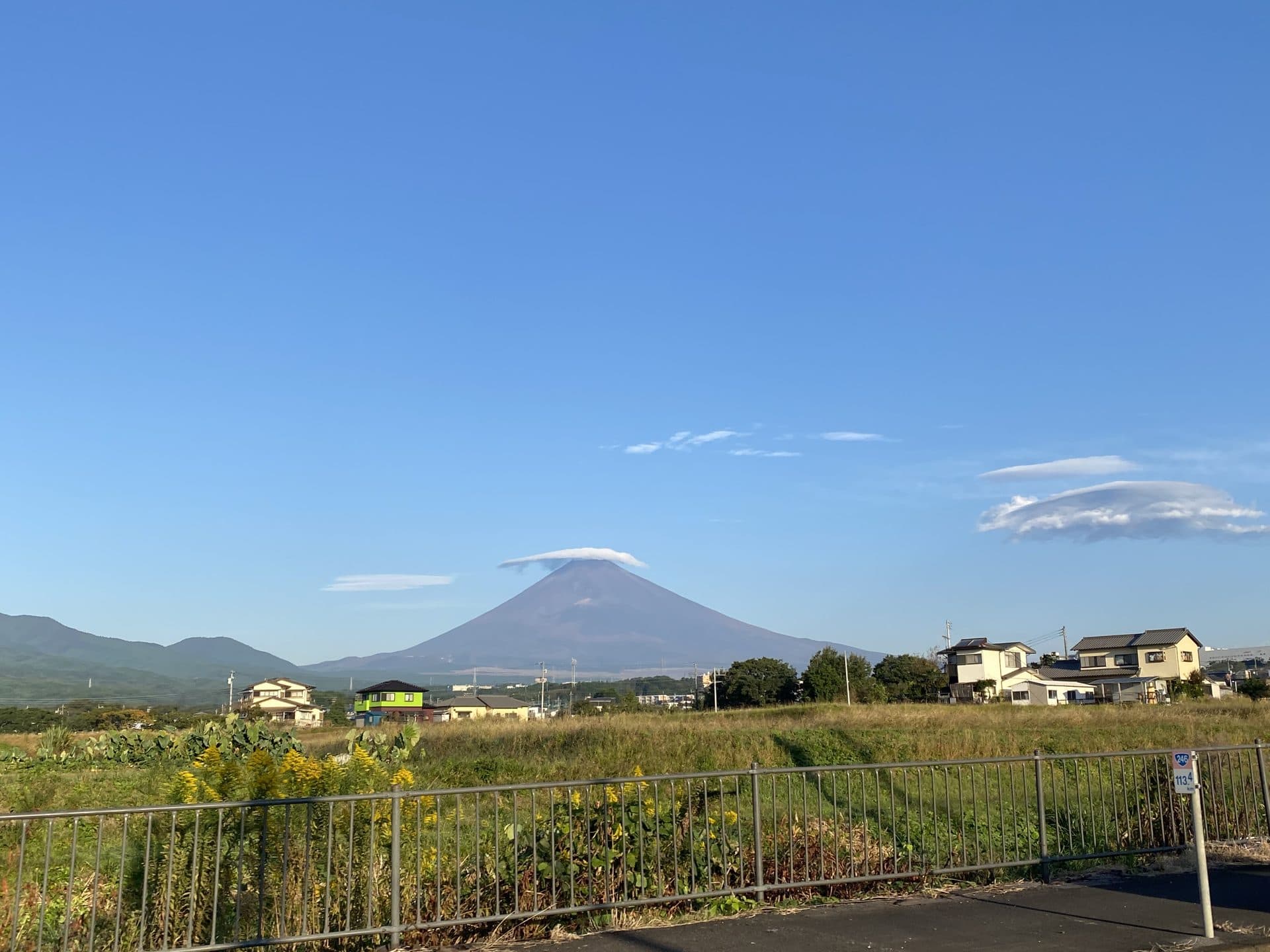
Hakone sits 90 minutes from Shinjuku by Romancecar express and packages the most accessible Mt Fuji views available from Tokyo without an overnight stay. The standard circuit: the Hakone Ropeway over the sulfurous Owakudani volcanic valley (¥1,800 round trip), a Lake Ashi sightseeing cruise (¥1,200), and the Hakone Shrine torii gate standing in the lake — the photograph most associated with the region. The Mt Fuji view depends on weather; morning is statistically clearer, afternoon clouds frequently obscure the summit.
Day 4 — Shinkansen to Kyoto
Board the Hikari or Kodama shinkansen from Tokyo Station (not the Nozomi — JR Pass-excluded). The Hikari reaches Kyoto in 2 hours 45 minutes with two or three intermediate stops; reserved seats are ¥0 extra with the JR Pass and recommended to guarantee a seat. If you are not using a JR Pass and prefer the faster Nozomi, individual tickets with QR code boarding can be booked through Klook — scan and board without a station queue.
Arrive in Kyoto by early afternoon. Check in, then walk the Gion district from 5–7pm — the lantern-lit machiya townhouses and the narrow stone lanes of Hanamikoji-dori are most atmospheric at dusk. Maiko (apprentice geisha) occasionally move between appointments during these hours. The streets are public; photography is fine but do not block doorways or photograph individuals at close range. Dinner: Nishiki Market, a covered 400-metre arcade running parallel to Shijo-dori — 100+ stalls of pickled vegetables, tofu skins, grilled skewers, and street snacks. Most stalls close by 6pm.
Day 5 — Kyoto: Fushimi Inari and Arashiyama
Split the day between Kyoto's two most iconic landscapes. Start at Fushimi Inari Taisha (free, open 24 hours) — 10,000 vermilion torii gates winding up a forested mountain. The full circuit takes 2–3 hours; the lower, most-photographed section takes 30 minutes. Arrive before 7:30am to have the approach largely to yourself. By 9am the gate tunnels fill with tour groups.
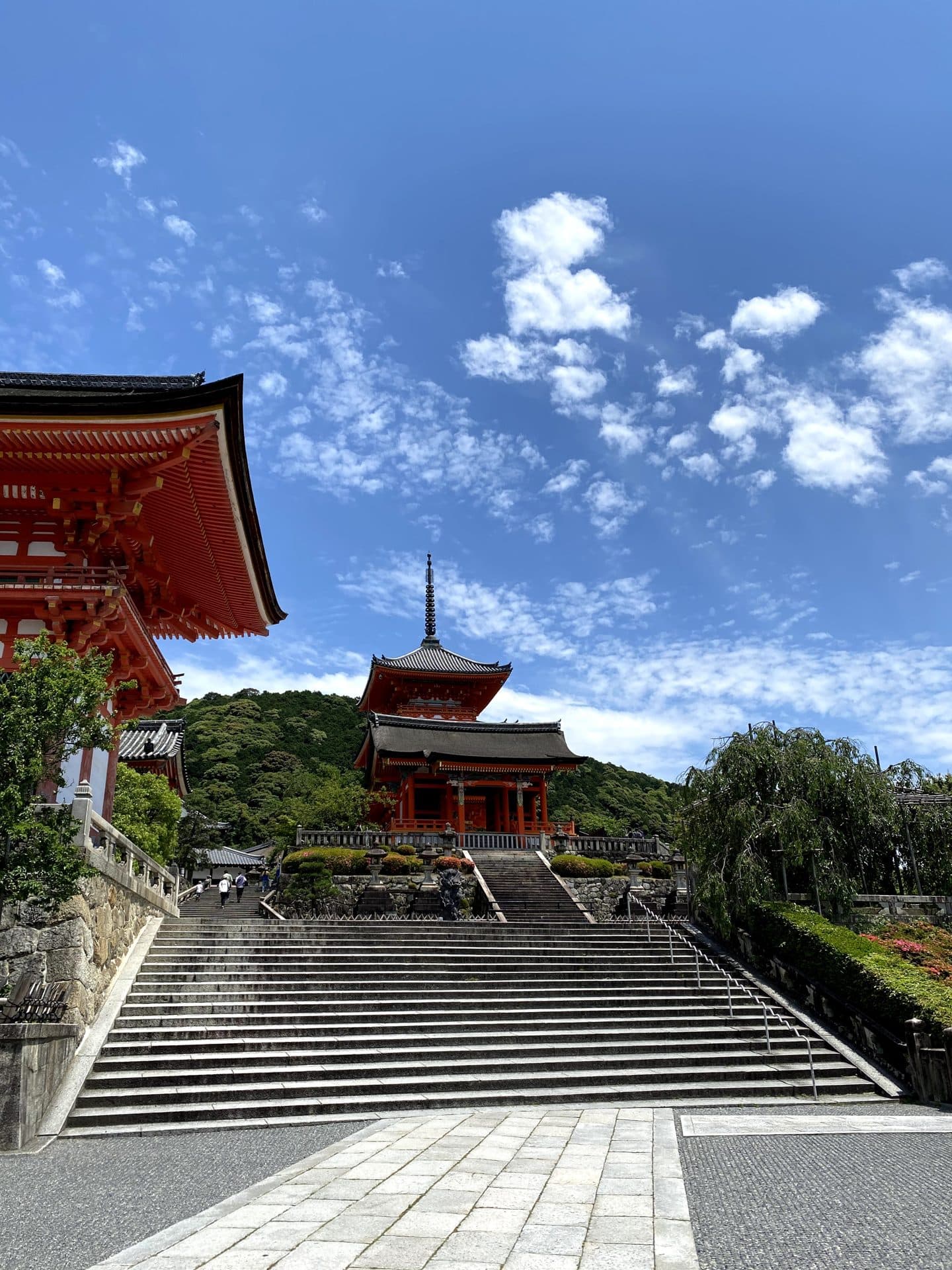
Afternoon: Arashiyama. The Sagano Bamboo Grove (5 minutes from Arashiyama Station) is dense, atmospheric, and exactly 3 minutes long end to end — worth seeing, but do not build the afternoon around it. The surrounding area is more rewarding: Tenryu-ji Zen garden (¥500, open until 5pm), the Oi River embankment, the Togetsukyo bridge. Allow 3 hours here. Optional add for the day: Kinkaku-ji (Golden Pavilion, ¥500) or Kiyomizu-dera (¥500, 20 minutes by bus from central Kyoto). Both can also be done on the morning of Day 6 before heading to Nara.
For a structured Kyoto experience away from the walking circuit crowds, a traditional tea ceremony is a 45-minute window into the formality and quietness that defines classical Japanese culture — and a sharp contrast to the photo-and-move energy of most temple visits.
Day 6 — Nara Day Trip
Nara is 45 minutes from Kyoto by JR Nara Line (¥720, JR Pass-covered). The city was Japan's first permanent capital (710–784 CE) and the deer in Nara Park have been free-roaming and legally protected since the 8th century — roughly 1,200 of them. They bow in anticipation of the shika senbei deer crackers (¥200/packet) sold at park stalls. They also headbutt, which the warning signs acknowledge.
Beyond the deer: Todai-ji (¥600) houses the largest bronze Buddha in Japan — the Daibutsu, cast in 752 CE, 15 metres tall. The wooden hall enclosing it is the world's largest wooden structure (the current rebuild, from 1709, is two-thirds the original size). Kasuga Taisha shrine (free outer precincts) is a 10-minute walk through the park — 3,000 stone and bronze lanterns line the approach. Allow 4–5 hours total. Return to Kyoto for a final evening, or continue directly to Osaka (35 minutes from Kintetsu Nara Station, ¥680, not JR-covered).
Day 7 — Osaka and Departure
Osaka is 15 minutes from Kyoto by Shinkansen (to Shin-Osaka) or 75 minutes by JR local. Both covered by JR Pass. The city is louder, more commercial, and in many respects more entertaining than Kyoto — particularly for eating. Morning in the Dotonbori canal district: the Glico man neon sign, takoyaki at any of a dozen counters (¥700–900 for six pieces), the covered Shinsaibashi arcade. Allow 2–3 hours before heading to the airport.
Departure from Kansai International Airport (KIX): the JR Haruka express runs from Tennoji (direct to the airport, 40 minutes, ¥3,170, JR Pass-covered) and from Shin-Osaka (55 minutes). If your flight is from Osaka Itami (ITM, domestic only) or back via Tokyo, factor in the routing. Most international flights from Kansai use KIX.
Budget Breakdown (per person, excluding flights)
| Category | Budget (¥) | Mid-range (¥) |
|---|---|---|
| JR Pass (7-day Ordinary) | 50,000 | 50,000 |
| Accommodation (6 nights) | 21,000–30,000 | 60,000–90,000 |
| Food (7 days) | 21,000–42,000 | 42,000–60,000 |
| Entry fees (temples, museums) | 5,000–8,000 | 8,000–12,000 |
| Local transit (non-JR) | 3,000–5,000 | 3,000–5,000 |
| Miscellaneous / shopping | 5,000–10,000 | 10,000–30,000 |
| Total (excl. flights + departure tax) | 105,000–145,000 | 173,000–247,000 |
Do I need to book individual attractions in advance?
teamLab Planets in Tokyo sells out weeks ahead — book before you fly. Fushimi Inari, the Arashiyama bamboo grove, Todai-ji, and Nara Park need no advance booking. Kinkaku-ji sells tickets at the door. Hakone Ropeway is pay-at-the-gate; a guided Hakone day tour handles all logistics for you.
What is the best area to stay in Tokyo for this itinerary?
Shinjuku or Shibuya. Both are major JR hubs, 15 minutes from Tokyo Station for the shinkansen, and well-connected across the city. Budget hotels start around ¥6,000–8,000 per night; mid-range from ¥15,000.
Is July a good time for this itinerary?
July in Honshu is hot (30–34°C / 86–93°F) and humid. Crowds are lighter than spring cherry-blossom season, and Kyoto's Gion Matsuri festival runs the entire month — the Yamahoko Junko procession on July 17 is the largest float parade in Japan. Hotel rates in Kyoto spike 30–50% the week of July 17; book early or target early or late July. As of July 2026, the new ¥3,000 departure tax applies to all travellers leaving Japan.
Can I do this itinerary without a JR Pass?
Yes. Buy individual point-to-point tickets — the Nozomi (faster) instead of the Hikari (JR Pass-covered). Nozomi Tokyo–Kyoto is ¥14,440 one way. Round-trip to Kyoto plus Kyoto–Osaka plus the JR Haruka to KIX totals ¥33,000–37,000. Compare against the ¥50,000 pass cost and factor in any additional JR trains within Tokyo or Osaka. For most first-timers on this route, the pass comes out ahead.


