This article contains affiliate links. If you book through them we may earn a small commission at no extra cost to you — it helps keep Authentic Japan free.
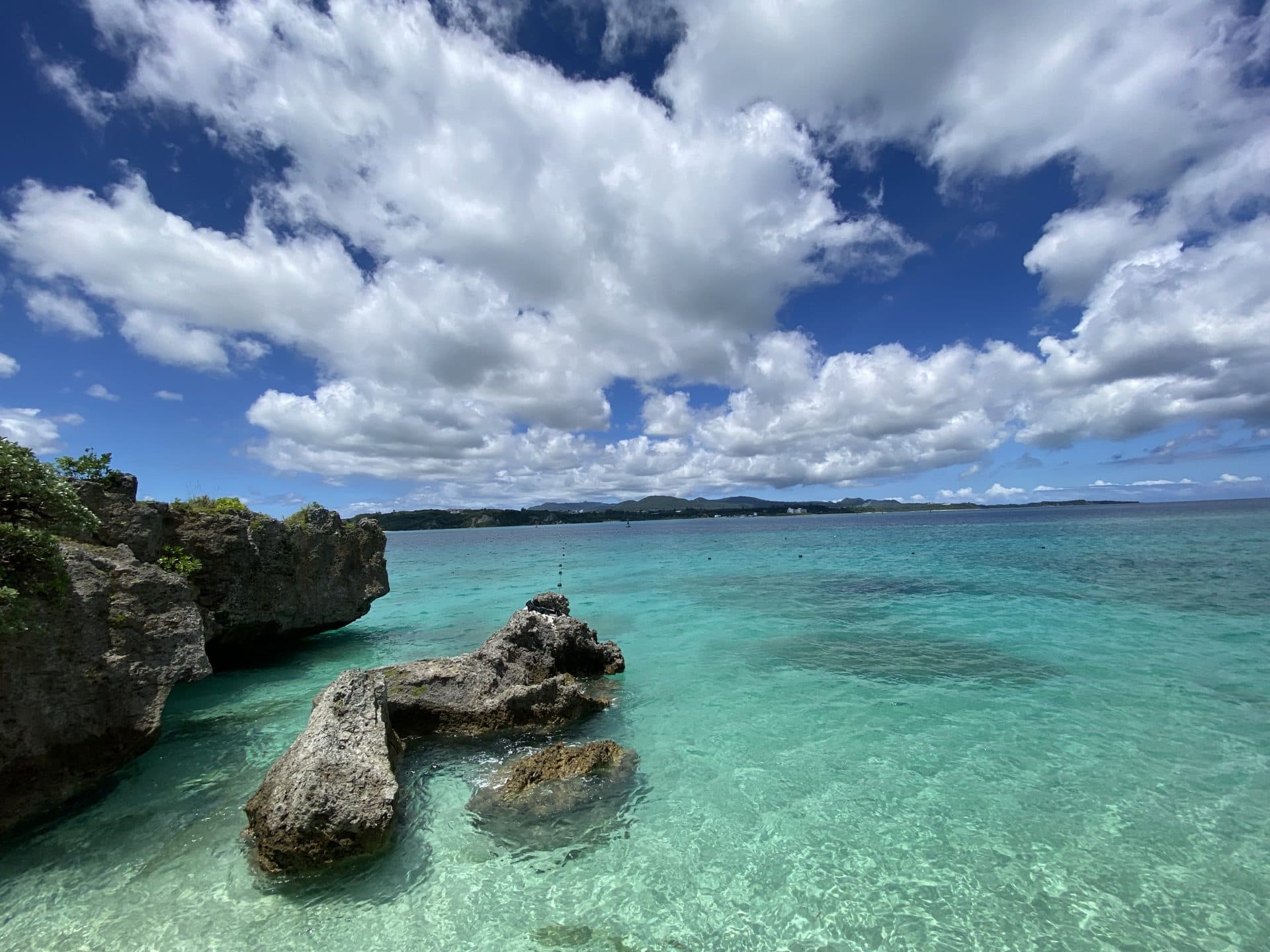
Okinawa does not feel like Japan. The air is subtropical, the food has almost nothing in common with Tokyo cuisine, and the culture traces back to the Ryukyu Kingdom — a distinct civilization that traded with China and Southeast Asia for centuries before Japan absorbed it in 1879. For foreign visitors, that layered identity is the draw: a Japanese island that is also not Japanese in the ways most travelers expect.
Okinawa's main island (Okinawa-hontō) is about 2.5 hours by air from Tokyo and 2 hours from Osaka. It is the most accessible introduction to the prefecture's 160+ islands — and the right base for a first trip. This guide covers the practical setup (getting there, getting around), the top things to do, what to eat, and the timings that actually matter.
Okinawa at a glance
| Topic | Practical answer |
|---|---|
| Getting there | Direct flights from Tokyo (HND/NRT) ~2.5 hrs, Osaka (ITM/KIX) ~2 hrs |
| Getting around | Rental car — essential for anything outside Naha. Yui Rail covers Naha city only. |
| Best season | May–June (before typhoon season, warm sea) or March–April. Summer (July–Sep) is peak crowd + typhoon risk. |
| Currency | Japan yen. Cards widely accepted in Naha; cash preferred in rural areas. |
| Language | Japanese. English signs in Naha and tourist spots; limited elsewhere. |
| Day minimum | 4 days covers Naha + central coast; 6–7 days for north and outlying islands. |
Getting to Okinawa
There is no train from the mainland — Okinawa is an island chain south of Kyushu, and the Shinkansen does not reach it. You fly into Naha Airport (OKA), which is well-served by ANA, JAL, Peach, Jetstar Japan, and others. Round-trip airfares from Tokyo run ¥10,000–¥30,000 depending on how far in advance you book; LCC fares can be lower. The JR Pass does not cover flights to Okinawa.
From Naha Airport, the Yui Rail monorail (¥230 base fare) runs the length of Naha to Shuri Station in about 27 minutes. It is useful for getting to your hotel in central Naha, but stops at Shuri — everything else on the island requires a different plan.
Getting around the main island
The single most important logistical fact about Okinawa: rent a car. The main island is 135 km long. Buses connect the major attractions but run infrequently, and the journey from Naha to Churaumi Aquarium in the north takes 2+ hours each way by bus — versus 90 minutes by car. Most international visitors renting in Japan need an International Driving Permit (IDP); check your country's requirements before arriving. Rental desks are located at Naha Airport. Book in advance in peak season (July–August, Golden Week).
Naha: start here
Naha is Okinawa's capital and entry point. Most visitors spend one full day here before heading to the coast. The main thoroughfare, Kokusai-dori (国際通り, 'International Street'), is a 1.6-km shopping and dining strip that runs east–west through the city center. It is touristy, but honestly useful — you can buy awamori (Okinawan distilled spirit), tasting snacks like jimami tofu (peanut tofu), and sata andagi (Okinawan doughnuts) without hunting for them.
One block south of Kokusai-dori, the Makishi Public Market (牧志公設市場, as of 2026-07 operating from its new building opened 2023) is where locals shop for fish, vegetables, and Okinawan pork products. The raw seafood upstairs can be purchased at the market stalls and cooked at the second-floor restaurants for a small preparation fee — one of the more authentic experiences available in the city.
Shuri Castle
Shuri Castle (首里城) is the most important cultural site in Okinawa — the former palace of the Ryukyu Kingdom, whose distinctive red-lacquered architecture reflects Chinese, Japanese, and Southeast Asian influences simultaneously. The main hall (Seiden) burned down in a 2019 fire and is under reconstruction; as of 2026-07, the work is in its final phase with completion expected in autumn 2026. The castle grounds remain open, and the reconstruction itself — with craftspeople working in view from dedicated viewing platforms — is a compelling exhibit on traditional Okinawan craft.
Admission (as of 2026-07): ¥820 for adults, ¥310 for children. Hours: 8:30–18:00 (last admission 30 min before close). Access: Yui Rail to Shuri Station, then a 15-minute uphill walk. Plan 2 hours minimum.
Beaches and ocean activities
Okinawa's beaches are among the best in Japan — and significantly different from anything on the mainland. The water clarity is exceptional, with visibility often exceeding 20–30 metres offshore. The main island has good beaches, but the Kerama Islands (慶良間諸島) — a 30-minute ferry from Naha — are where the water quality genuinely rivals the Maldives. The Kerama Islands National Park has some of Japan's highest coral coverage and is the most accessible world-class snorkeling site from Naha.
Blue Cave (Maeda Cape)
The Blue Cave (青の洞窟) near Cape Maeda in Onna village is Okinawa's most-booked ocean experience. Sunlight refracts through the cave mouth and turns the water an electric cobalt blue — it photographs spectacularly and the snorkeling around the cave entrance is genuinely good. It is popular (book ahead in summer), but the experience is real, not manufactured. Cost: Snorkeling tours run approximately ¥3,000–¥4,000 per person including equipment, plus a ¥300 facility fee (as of 2026-04). The cave is not accessible for solo swimmers without a guide.
Cape Manzamo
Cape Manzamo (万座毛) is Okinawa's most photographed coastal landmark — an elephant-shaped coral cliff formation rising from the sea, with panoramic views of the East China Sea. Free to visit (¥100 conservation fee as of 2023 — verify on arrival). A 15-minute walk covers the main viewpoints. Best at sunset, though crowds reflect that.
North Okinawa: Churaumi Aquarium
Okinawa Churaumi Aquarium (美ら海水族館) in the north of the main island is one of the world's largest aquariums and the primary reason visitors make the 90-minute drive north. The main draw is the Kuroshio Sea tank — 7,500 cubic metres of water holding whale sharks, manta rays, and thousands of fish visible through an 8.2-metre acrylic panel. The whale sharks are fed twice daily (10:00, 15:00) and the feeding is one of the most reliably spectacular 10 minutes available at any aquarium in Japan.
Admission (as of 2026-07, verify at official site): ¥2,180 for adults, ¥1,520 for seniors, ¥920 for children aged 4–15. Hours: 8:30–18:30 (last admission 17:30). Set within Ocean Expo Park, which includes a free outdoor botanical garden and a separate Okinawan traditional village. Allow 3–4 hours for the full site.
Okinawa World and Ryukyu culture
Okinawa World (おきなわワールド) south of Naha combines Gyokusendo Cave — a 5-km stalactite cave, the longest in Japan — with a reconstructed Ryukyu village and hands-on cultural workshops. The workshops (Buku-buku tea, traditional dyeing, shisa lion dog painting) are genuinely skill-based, not performative. It is the most compact way to engage with Ryukyu material culture if you only have one day outside Naha.
What to eat in Okinawa
Okinawan cuisine is distinct from mainland Japanese food — it is richer in pork and pork fat, influenced by the Ryukyu court's trade contacts, and carries American influences from the post-WWII US military presence. The dishes below are all available across the island at every price point.
- Okinawa soba — thick wheat noodles (not buckwheat, despite the name) in pork-and-bonito broth, topped with braised pork belly and red ginger. The defining comfort food of the island.
- Goya champuru — bitter gourd (goya) stir-fried with tofu, egg, and pork or Spam. Bitter, nutritious, and an acquired taste that most visitors end up ordering a second time.
- Rafute — thick braised pork belly slow-cooked in soy sauce and awamori until it melts. Originally Ryukyu royal court food, now in every izakaya.
- Taco rice — a direct product of the US military presence: taco ingredients (ground beef, lettuce, tomato, salsa, cheese) served over white rice. Invented in Kin Town near Camp Hansen and now a staple across the island.
- Awamori — Okinawa's distilled spirit, made from Thai long-grain rice and koji mold at high alcohol content (typically 30–43%). The aged variety (kusu) is smooth; young awamori is sharp. Order it mizuwari (with water and ice).
- Sata andagi — dense, round Okinawan doughnuts sold fresh at market stalls. Best eaten immediately.
Sample 4-day itinerary
| Day | Focus | Key stops |
|---|---|---|
| Day 1 | Naha | Arrive → Kokusai-dori, Makishi Market, Shuri Castle |
| Day 2 | Central coast | Kerama Islands snorkeling (full morning), Cape Manzamo at sunset |
| Day 3 | North | Churaumi Aquarium (arrive 8:30), Ocean Expo Park, drive back along west coast |
| Day 4 | South | Okinawa World, Peace Memorial Park, Himeyuri Peace Museum |
Practical tips
- Typhoons — Okinawa's typhoon season runs June through October, with peak risk in August–September. Travel insurance that covers typhoon cancellation is strongly recommended. Storms typically give 2–3 days' warning.
- Sun — The UV index in Okinawa in summer is extreme. SPF 50+, reapply hourly, reef-safe formula (required in Kerama Islands National Park).
- Water safety — Sea snakes are present in Okinawan waters and are extremely venomous, though attacks are rare. The habu jellyfish (box jellyfish) appears June–October — wear a rash guard when swimming outside of guarded beach areas.
- Hire a car — stated again because it is the single biggest quality-of-trip decision you will make.
- eSIM — Connectivity is good across the main island. An eSIM or Japanese SIM card handles navigation, which you will need constantly.
Do I need a JR Pass for Okinawa?
No. The JR Pass covers trains on the mainland and Shinkansen — it does not cover flights to Okinawa, and Okinawa's only rail line (Yui Rail) is not operated by JR. Book your flight separately.
Is Okinawa worth visiting in summer (July–August)?
The sea is warmest and clearest in summer, but typhoon risk is real and crowds are at their peak. If you are flexible, late May through June or September through early October give similar ocean conditions with fewer people and lower typhoon probability.
Can I visit Okinawa without a car?
Technically yes — Naha and Shuri Castle are walkable, and buses run to Churaumi. But the experience is significantly diminished. The beaches, capes, and southern sites that make Okinawa worth visiting are not practical by public transit. Rent a car.
How far is Okinawa from Tokyo?
About 2.5 hours by direct flight. There is no train connection — the Shinkansen ends in Kagoshima on Kyushu; Okinawa is an island chain 640 km south of Kagoshima.
Is Shuri Castle open during reconstruction?
Yes. The grounds and surrounding structures are open. The reconstructed main hall (Seiden) is expected to reopen in autumn 2026 — if your trip falls after that, the full castle experience will be available. Check the official Shuri Castle site before you go.
What is the Kerama Blue?
Kerama Blue (ケラマブルー) is the term used locally to describe the distinctive clarity and color of the water around the Kerama Islands — water visibility can reach 30+ metres and the color shifts between aquamarine and deep indigo depending on depth and time of day. It is not a marketing phrase; the water genuinely looks like that.


