There is a Japanese phrase that explains more about daily life in Japan than most etiquette lists ever manage: meiwaku wo kakenai.
It means, roughly, "do not cause trouble for other people." But the English translation sounds harsher and more rule-like than the Japanese feeling behind it. In Japan, it is less a written command than a social reflex. Before acting, you quietly ask: will this make things harder, louder, slower, dirtier, more awkward, or more uncomfortable for the people around me?
For travelers, understanding this idea matters more than memorizing every small rule. It explains why trains feel quiet, why public spaces often feel orderly, why people queue carefully, why Japan can feel unusually safe at night, and why behavior that seems harmless elsewhere can stand out here.
This is not about becoming Japanese during your trip. No one expects that. It is about seeing the hidden logic behind the calm many visitors enjoy.
This Is Learned Early
When Japanese people grow up with the idea of not causing trouble, it does not usually arrive as one dramatic lesson. It comes through school, family, neighborhood life, and the small routines of childhood.
In Japanese schools, children spend a lot of time doing things together: sports festivals, school performances, cleaning classrooms, preparing events, practicing group movements, carrying equipment, serving lunch, lining up, waiting turns. These are not only activities. They teach the child to feel the group.
You learn that your part affects everyone else's part. If you are late, someone waits. If you do not clean your area, someone else has to do it. If you are too loud when another class is working, you have disturbed people you may not even know.
There is also a strong awareness of the local community. Children are often taught that they are supported by neighbors, teachers, shopkeepers, parents of classmates, crossing guards, and people around the school. The feeling is not simply "I live here." It is closer to "I am here because other people help hold this place together."
That is the soil where meiwaku wo kakenai grows.
Why Trains Are So Quiet
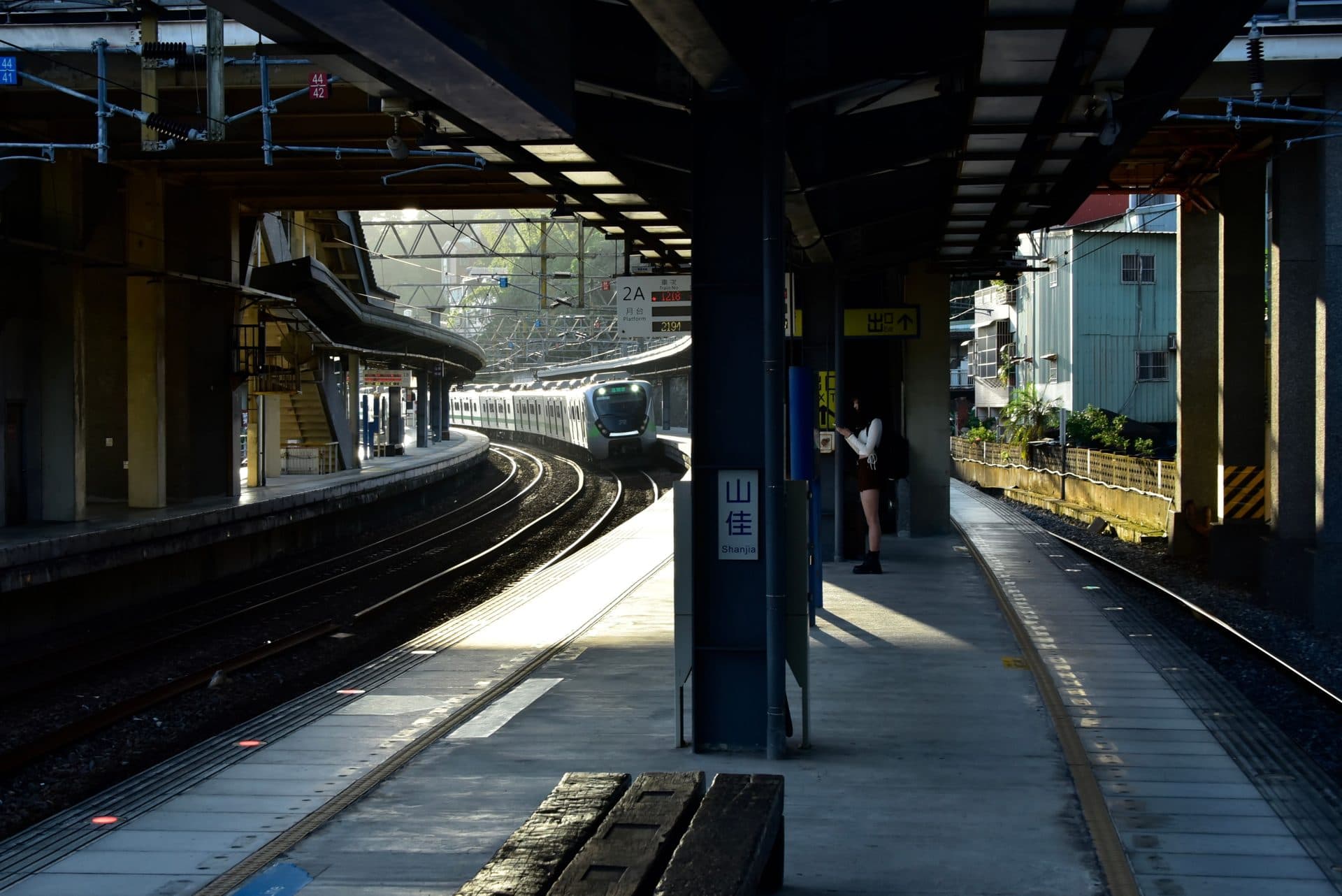
The easiest place for travelers to notice this is public transportation.
On Japanese trains, talking loudly is generally treated as bad manners. People do talk, of course. Friends chat. Parents speak to children. Couples whisper about where to transfer. But the expected volume is lower than in many countries. Some Japanese people speak so softly on trains that even a conversation between friends can sound like a private aside.
Phone calls are more sensitive. Taking a call in a train carriage is widely considered rude, even if the content of the call is harmless. A traveler may think, "I am only speaking for one minute." A Japanese passenger nearby may feel, "Everyone here has been forced into your private space."
The issue is not the phone itself. Texting is normal. Looking at maps is normal. Quietly using your phone is normal. The issue is sound that other people cannot easily ignore.
For international visitors, the practical advice is simple: on trains and buses, keep your voice low and do not take calls in the carriage. If you need to speak, step off at the next station, use the platform, or wait until you are outside the transit space.
This one habit will make you blend in more than almost anything else.
The Rule Is Not "Always Be Quiet"
A common mistake is to interpret Japanese manners as "Japanese people are quiet everywhere." That is not true.
Japan has loud places. Izakaya can be loud. Festival streets can be loud. Baseball stadiums are loud. Karaoke rooms exist because people want somewhere to be loud. A packed standing bar after work can be full of laughter, shouting, and the clinking of glasses.
The real rule is not silence. The real rule is read the room.
In a calm cafe, match the cafe. In a quiet restaurant, keep your voice low. In an izakaya where everyone is drinking, laughing, and calling for another round, you can relax more. If the shop is built around noise, noise is not the problem. If the shop is built around quiet, your energy needs to come down.
This is why a simple list of "do this, do not do that" often fails. The same volume that feels normal in one place can feel intrusive in another. Japanese manners often depend on atmosphere, not only category.
The most useful question is: what is everyone else doing here?
Not Causing Trouble Is Also Spatial
Meiwaku is not only about sound. It is also about space.
In Japan, especially in cities, people are used to sharing narrow spaces: train platforms, station corridors, convenience store aisles, escalators, restaurant counters, small elevators, temple paths, residential streets. In these places, people often make tiny adjustments without thinking.
They stand to the side before checking a map. They avoid blocking the ticket gate. They move their backpack off their shoulders in crowded trains. They do not stop suddenly in the middle of a flow of people. They keep luggage close to the body. They wait until they are out of the way before taking a photo.
None of these actions is spectacular. That is the point. Japan's public comfort is made of small, ordinary acts that prevent friction before it starts.
For travelers, this means you do not have to be perfect. Just pause before stopping, filming, spreading out luggage, or gathering as a group. Ask yourself: am I becoming an obstacle?
If the answer is yes, move one step to the side. That one step matters.
The Good Side: Calm, Safety, Trust
Many visitors describe Japan as peaceful, safe, and easy to move through. They notice children commuting alone, people leaving belongings on cafe chairs, late-night streets that feel calmer than expected, and train platforms where strangers stand close without the atmosphere feeling aggressive.
Those impressions are real. But they are not magic.
They come partly from infrastructure, policing, design, and economic conditions. But they also come from countless people limiting the inconvenience they create for others. The calm you feel is produced by everybody doing small things: lowering voices, queuing, cleaning up, not pushing, not making private emotion public, not taking up more space than needed.
From the outside, this can look effortless. From the inside, it is a habit.
One reason Japan feels comfortable to many travelers is that people are constantly making public life a little easier for people they will never meet.
The Difficult Side: Manners Can Become Pressure
It would be dishonest to describe meiwaku wo kakenai as only beautiful.
The same culture that creates calm can also become pressure. If everyone is expected to notice the group, people who fail to notice can be judged quickly. Sometimes that judgment is quiet: a look, a shift in body language, someone moving away. Sometimes it becomes direct. A person may scold you, or speak sharply, or act as if a small mistake is a serious moral failure.
This does happen. But it is important to understand that those people are not all of Japan. Most Japanese people understand that foreign visitors are learning. They know you may not recognize an unspoken rule the first time. They may feel uncomfortable, but they will usually not assume bad intention.
The harder problem is when a person turns "not causing trouble" into a weapon against others. Manners are supposed to reduce friction. When someone uses manners to attack, they are creating a different kind of trouble.
So if you make a mistake and someone reacts strongly, do not decide that Japanese people hate tourists. Apologize briefly, adjust your behavior, and move on. One tense interaction is not the whole culture.
Overtourism Has Made People More Sensitive
There is another reason this matters now: many popular places in Japan are under pressure from tourism.
Kyoto streets, famous viewpoints, small buses, station corridors, temple approaches, local shopping streets, and residential neighborhoods can all feel crowded in ways they did not before. When local people experience the same small disruption every day, they become more sensitive to it.
This is not only about foreign visitors. Japanese tourists can cause trouble too. But international travelers are more visible when they do not know the local signals.
The point is not to make you anxious. It is the opposite. If you understand the atmosphere, your trip will feel smoother. You will receive fewer sharp looks, feel less out of place, and notice more of what makes Japan pleasant in the first place.
Respecting meiwaku wo kakenai is not just something you do for Japan. It is something you do for your own trip.
How To Practice It As A Traveler
You do not need to memorize a hundred etiquette rules. Start with these:
- On trains and buses, keep voices low and avoid phone calls.
- Before stopping to check your map, step to the side.
- Keep large luggage close to you in stations and trains.
- Match the atmosphere of the restaurant: quiet in quiet places, relaxed in lively places.
- Do not film or photograph in a way that blocks movement or makes people feel watched.
- In residential areas, lower your volume even if the street looks beautiful.
- If someone corrects you, a short apology and adjustment is enough.
The deeper principle is simple: notice the people around you before acting.
What I Wish Travelers Understood
Japan can feel unusually peaceful to visitors. That peacefulness is one of the great pleasures of traveling here. It is the quiet train after a long day, the convenience store glowing at midnight, the small restaurant where everyone seems to know how much space to take, the residential lane where nothing dramatic is happening and that is exactly why it feels good.
But that atmosphere is not separate from Japanese manners. It is created by them.
You may find it a little restrictive at first. That is understandable. Even Japanese people can find it restrictive. No culture gives only benefits. But the calm, safety, and order that many visitors love are connected to this habit of thinking about others in advance.
You do not have to become flawless. You do not have to panic about every movement. You only have to carry one idea with you:
Before I act, who else shares this space?
That question will take you very far in Japan.
What does meiwaku wo kakenai mean?
It means "do not cause trouble" or "do not inconvenience others." In daily life, it often means noticing how your behavior affects the people around you before you act.
Is it rude to talk on trains in Japan?
Quiet conversation is common, but loud conversation stands out. Phone calls inside train carriages are generally considered bad manners. Texting, checking maps, and using your phone silently are normal.
Are Japanese manners strict for foreign tourists?
Most people understand that visitors are learning and do not know every unspoken rule. The best approach is to observe the room, keep your voice and space use modest in public, and adjust quickly if corrected.
Can you be loud in an izakaya?
Often, yes. Izakaya are social drinking spaces and can be lively. The key is to match the atmosphere of the specific place. A busy drinking spot and a quiet cafe do not have the same expectations.
What should I do if someone scolds me?
Apologize briefly, change the behavior, and move on. Do not let one harsh reaction define your whole view of Japan. Some people are more aggressive about manners than others, but they are not everyone.


