
This article contains affiliate links. If you book through them we may earn a small commission at no extra cost to you — it helps keep Authentic Japan free.
Tokyo's rail network is one of the most efficient in the world, and it puts a remarkable number of destinations within a single day's reach. The Shinkansen pushes Nikko's cedar-wrapped World Heritage shrines to around two hours north. The Odakyu Romancecar covers the 80 kilometres to Hakone in roughly the same time. Even Kamakura — the medieval capital with Japan's largest outdoor bronze Buddha — is closer to Shinjuku than many Tokyo suburbs.
What most guides miss is how differently these destinations suit different travellers. Yokohama works when you want a low-effort change of scene with excellent food. Nikko rewards travellers who want ornate historical architecture at a scale nothing else in the Kanto region can match. This guide covers the six most practical day trips for first-timers — what each delivers, what it costs, and how the logistics actually work.
Six day trips at a glance
| Destination | Travel time | One-way fare | Best for |
|---|---|---|---|
| Yokohama | 25–30 min from Tokyo Station | ¥480 (JR Yokosuka Line) | Chinatown, Minato Mirai waterfront, low logistics |
| Kawagoe | 35–40 min from Ikebukuro | ~¥470 (Tobu Tojo Line) | Old-town warehouse district, lighter crowds |
| Kamakura | ~55 min from Shinjuku | ¥940 (JR Shonan-Shinjuku Line) | Great Buddha, hillside temples, seaside Enoden tram |
| Hakone | ~80 min from Shinjuku (Romancecar) | ¥2,470 | Mt Fuji views, open-air museum, hot springs |
| Nikko | ~2h via Utsunomiya (Shinkansen + JR Nikko Line) | JR Pass: free; Tobu: from ¥2,000 | UNESCO shrines, cedar forest, Kegon Falls |
| Mt Fuji (Kawaguchiko) | ~2h by highway bus from Shinjuku | ¥2,200–2,300 | The mountain itself, Chureito Pagoda, lake views |
Yokohama — the easiest departure
Yokohama is Japan's second-largest city and 25–28 minutes from Tokyo Station on the JR Yokosuka Line (¥480, JR Pass valid), or 32 minutes from Shinjuku on the JR Shonan-Shinjuku Line (¥570). Trains run every few minutes throughout the day; no reservation required. IC cards (Suica, Pasmo) work on both lines.
The main visitor circuit starts at Yokohama Station, continues southeast through the Minato Mirai 21 waterfront district — home to Landmark Tower (296-metre observation deck, ¥1,000, 10:00–21:00 weekdays; 10:00–22:00 weekends), the Red Brick Warehouse complex, and the Cosmo Clock 21 Ferris wheel along the harbour — then follows the waterfront to Yamashita Park, and finishes at Japan's largest Chinatown (Motomachi-Chukagai Station on the private Minatomirai Line, ¥240 from Yokohama Station). Budget four to five hours for the full circuit.
Kawagoe — Little Edo
Kawagoe is 35–40 minutes from Ikebukuro on the Tobu Tojo Line (approximately ¥470 one way, as of 2026-05). JR Pass holders can reach it via the JR Saikyo Line from Shinjuku to Omiya (JR Pass valid), then transfer to the JR Kawagoe Line to Kawagoe Station — approximately one hour total. Either way, it is the shortest journey of any destination on this list with a preserved historic district.
The town's identity is its Kurazukuri Street — a stretch of black-plastered kura-zukuri (fireproof warehouse) buildings from the Meiji and Taisho eras, preserved clearly enough to convey what a prosperous Edo-period merchant town looked like. The Toki no Kane bell tower still rings on the hour. Kashiya Yokocho (Candy Alley) is a lane of old-fashioned sweet shops that has operated since the 1890s. Crowds run noticeably thinner than Kamakura or Nikko on weekends, making it a reliable alternative when those destinations feel saturated.
Kamakura — the first-timer classic
Kamakura was Japan's political capital for 150 years, from 1185 to 1333, and the infrastructure it left behind is dense enough to fill a full day. The standard route from Shinjuku takes about 55 minutes on the JR Shonan-Shinjuku Line (¥940, JR Pass valid); from Tokyo Station, take the JR Yokosuka Line (~56 min, ¥940). The Enoshima Electric Railway (Enoden), a narrow-gauge coastal tram, links the main sites between Kamakura Station and Hase Station.
Main sites: Kotoku-in (the 13.35-metre outdoor bronze Daibutsu, ¥300 entry; interior access ¥50 extra), Hase-dera (11-headed Kannon statue and hillside garden with sea views, ¥400), and Tsurugaoka Hachimangu shrine (free grounds, 1.8-km approach boulevard). The Enoden all-day pass (¥700) covers unlimited rides and pays for itself across three or more stops. In June, Hase-dera's ajisai (hydrangea) hillside path is one of the most photographed spots in Japan — arrive before 09:30 or after 15:00 to avoid the longest queues.
Hakone — Mt Fuji views and open-air art
Hakone is the day trip built around scenery. The Odakyu Romancecar limited express from Shinjuku reaches Hakone-Yumoto in approximately 80 minutes; the fare is ¥2,470 total (regular fare ¥1,270 + limited express surcharge ¥1,200, as of 2026-05). All seats are reserved — book in advance on the Odakyu website, particularly for weekends and public holidays when morning departures fill weeks ahead. The regular Odakyu Line to Odawara with a local transfer is cheaper but significantly slower.
The Hakone Free Pass (¥7,100 for 2 days from Shinjuku; Romancecar surcharge paid separately) covers unlimited rides on the Hakone Tozan Railway, the ropeway, the Lake Ashi sightseeing cruise, and local buses — the practical choice for visitors planning multiple stops. Key sites: the Hakone Open Air Museum (9:00–17:00, last entry 16:30; ¥2,000 adults — 120+ outdoor sculptures, Picasso gallery, glass Symphonic Sculpture tower); Owakudani volcanic area (accessible by ropeway, black eggs boiled in sulphur springs are sold here); and the Lake Ashi cruise, which frames Mt Fuji behind the lake's red torii gate on clear days.
Nikko — Japan's most ornate shrine complex
Nikko is two hours north of Tokyo and the most architecturally spectacular destination on this list. The Toshogu shrine complex was built in 1636 to enshrine Tokugawa Ieyasu, the founder of the Edo shogunate; 8,000 craftsmen worked for two years on a structure dense enough with carvings that the Yomeimon gate alone contains 508 decorative elements. By legend, one panel was deliberately left unfinished to avoid the wrath of the gods at a completed perfect work.
Getting there with JR Pass: Tohoku/Hokkaido Shinkansen from Tokyo or Ueno to Utsunomiya (~50 min, pass-covered), then JR Nikko Line to Nikko Station (~50 min, pass-covered). Total ~2h, effectively free. Without JR Pass — Tobu Railway from Asakusa: the Tobu Nikko Pass (¥2,000 round trip, covers unlimited buses in the World Heritage area) with the limited express SPACIA takes ~1h50min; the limited express surcharge is ¥3,300 round trip, totalling ~¥5,300. Local trains with the ¥2,000 pass take ~2.5h. At Nikko: Toshogu opens 8:00–17:00 (April–October) and 9:00–16:00 (November–March). The World Heritage combined admission ticket covers Toshogu, Rinno-ji's Taiyuin-byo mausoleum, and Futarasan Shrine — budget approximately ¥1,300 per adult (as of 2026-05; verify at the ticket window). Kegon Falls — 97 metres, one of Japan's three great waterfalls — is 10 minutes by bus from Nikko Station; the paid lift to the base viewing platform costs ¥570.
Mt Fuji area (Kawaguchiko) — the mountain up close
The Fuji Five Lakes area — centred on Kawaguchiko — is the closest you can get to Mt Fuji without hiking. The most direct route from Tokyo is the Fujikyu Highway Bus from Shinjuku Bus Terminal (Bastak) to Kawaguchiko Station: approximately 2 hours, ¥2,200 one way (¥2,300 from July 2026, per confirmed 2026 schedule). Buses depart frequently from early morning; book in advance at highwaybus.com — weekend seats sell out days before. The Fujikyuko Railway via Otsuki (JR Chuo Line from Shinjuku to Otsuki is JR Pass-covered; the Fujikyuko Line portion is not) is slower in practice.
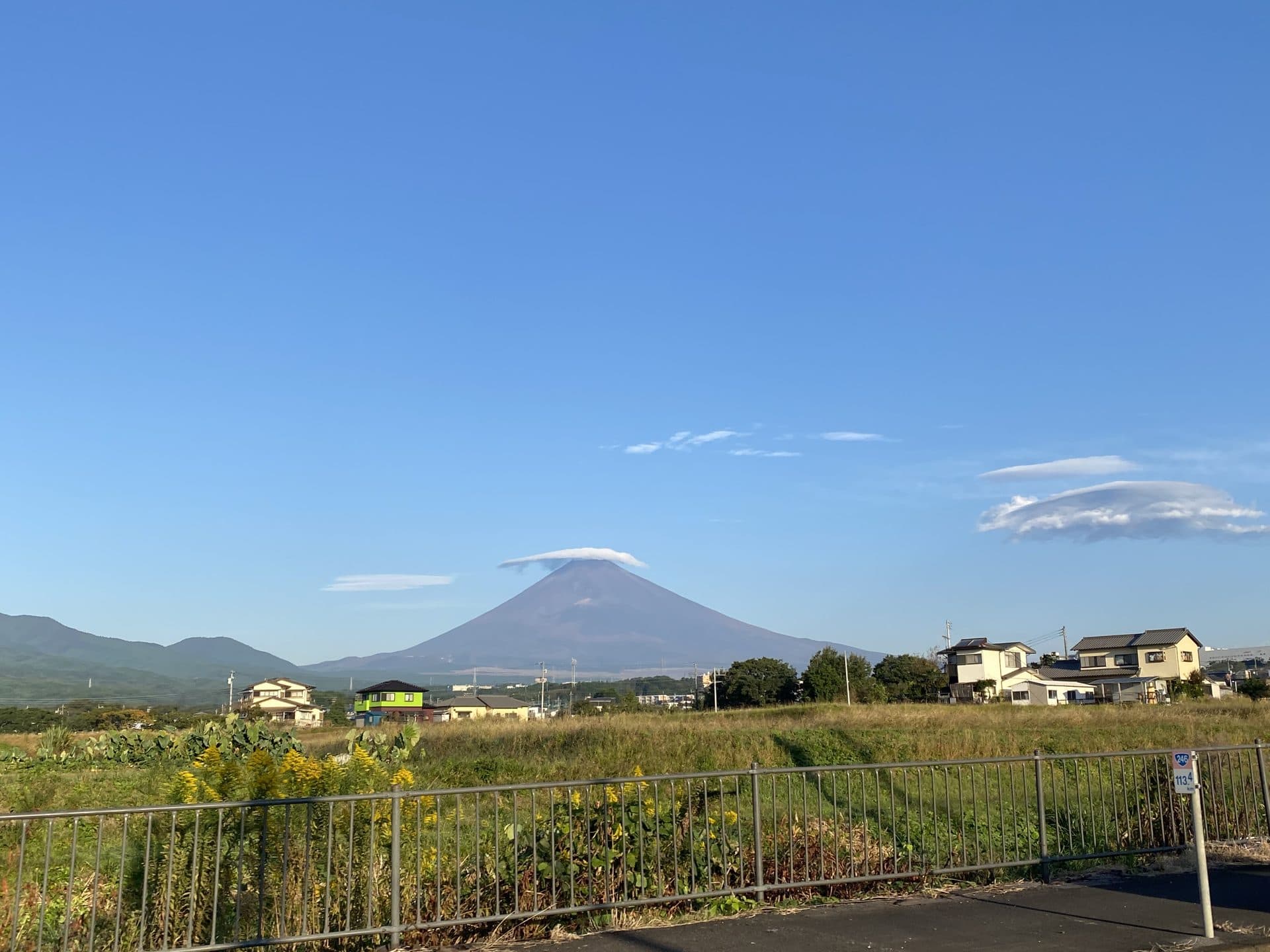
The two most productive stops at Kawaguchiko are Chureito Pagoda — a five-storey red pagoda reached via 398 steps from Fujiyoshida-Shimmachi Station (one stop before Kawaguchiko on the Fujikyuko Line), with Mt Fuji visible behind it on clear days: this is the origin of the most-reproduced Fuji photograph — and the north shore of Lake Kawaguchi, which gives the clearest water-reflection of the mountain. The Fuji Subaru Line 5th Station (at 2,305 m, the highest driveable point on the Yoshida flank) is accessible by seasonal bus from Kawaguchiko during the official climbing season (approximately early July to early September, ~¥1,600 one way); expect substantial crowds at peak season.
Practical logistics
- IC cards (Suica, Pasmo): valid on JR lines to Yokohama, Kamakura, and the Utsunomiya Shinkansen for Nikko. Also valid on the Tobu Tojo Line to Kawagoe and the Minatomirai Line in Yokohama. NOT valid on the highway bus to Kawaguchiko or the Fuji 5th Station seasonal buses.
- Romancecar reservations (Hakone): reserve as far ahead as possible on the Odakyu website. Weekend morning departures regularly sell out 2+ weeks in advance; arriving at Shinjuku and trying to buy same-day usually means missing the preferred train.
- Kawaguchiko bus: book at highwaybus.com or via a Klook tour. Attempting standby at Shinjuku Bus Terminal on a summer weekend is possible but unreliable.
- Nikko buses: within the World Heritage Area, unlimited bus rides are included in the Tobu Nikko Pass (¥2,000). Without the pass, individual bus fares from Nikko Station to Toshogu run ¥350–500 depending on stop.
- Luggage storage: coin lockers at Tokyo, Shinjuku, and Asakusa stations cover single-day bags (¥300–700 per day). For multi-day Hakone or Nikko trips, Yamato Transport's hotel-to-hotel forwarding service ships bags the next day — see the Japan luggage forwarding guide.
- Mid-week vs weekend: all six destinations are busier on weekends and national holidays. Mid-week visits — particularly Tuesday through Thursday — see shorter queues at sites and more comfortable trains.
Which day trip from Tokyo is easiest for first-timers?
Yokohama is the simplest: 25–30 minutes from Tokyo Station, no advance booking required, JR Pass valid. Kamakura is the next step up — 55 minutes, equally straightforward, with well-known sights and clear English signage. Both are fully manageable with an IC card.
Can I use the Japan Rail Pass for Tokyo day trips?
The JR Pass covers Yokohama (JR Yokosuka/Shonan-Shinjuku Line), Kamakura (same), and Nikko via Utsunomiya (Shinkansen + JR Nikko Line). It does NOT cover the Odakyu lines to Hakone, the Tobu Railway to Nikko (an alternative, cheaper non-pass route), the Fujikyuko Railway at Kawaguchiko, or the Kawaguchiko highway bus. For JR Pass holders, Nikko via Utsunomiya is the best day-trip value — fast, free, and one of Japan's most impressive destinations.
Which day trip gives the best Mt Fuji views?
Hakone (Lake Ashi with the red torii gate) and Kawaguchiko (Chureito Pagoda, lake reflection) both offer iconic compositions. Cloud cover is the deciding factor — check the Fuji weather camera the morning of your trip and pick whichever forecast looks clearer. December through February has the highest proportion of cloud-free days; summer has the lowest.
Nikko vs Hakone — which is better for a one-day trip?
Choose Nikko for historical architecture and Shinto/Buddhist atmosphere — the Toshogu complex is among the most impressive structures in Japan. Choose Hakone for landscape, hot springs, and the Open Air Museum. Budget difference: with a JR Pass, Nikko costs only shrine admissions (~¥1,300). Without a pass, Hakone (¥2,470 Romancecar + Hakone Free Pass) costs more per person but includes unlimited transport around the region.
Is Kawagoe worth visiting instead of Kamakura or Nikko?
Yes, in two situations: when you want shorter travel time (35–40 min vs 55 min–2h), and when you prefer lower crowds. Kawagoe lacks the temple density of Kamakura and the shrine grandeur of Nikko, but the preserved Kurazukuri warehouse district is genuine, rarely overcrowded, and largely free to explore.
Can I combine two day trips in one day?
One pairing works without backtracking: Kamakura and Yokohama share the JR Yokosuka/Shonan-Shinjuku corridor. Visit Kamakura in the morning (depart Tokyo before 8:00), return via Yokohama in early afternoon for Chinatown and the waterfront, and reach Tokyo by 19:00. All other combinations require returning to central Tokyo between destinations, making them impractical for a single day.


